the core ideas for small and medium-sized enterprises to choose cloud servers in malaysia
1. essence: prioritize cost control and daily operating budget, and don’t be fooled by fancy selling points.
2. essence: when measuring scalability , network, backup and recovery costs should be evaluated simultaneously. capacity expansion is not a single indicator.
3. best of all: compliance, security and local support often determine long-term total cost of ownership (tco), not just cpu and memory.
note before entering the text: this article is based on the author's many years of practical experience in cloud migration and cost optimization for small and medium-sized enterprises in the asia-pacific region, combined with general industry best practices, to provide an operational decision-making process that complies with google eeat (professionalism, experience, authority, and trustworthiness) standards.
to determine which cloud server is good in malaysia, first clarify the two most important dimensions: one is cost control (including bandwidth, storage, support and unexpected expenses), and the other is scalability (elastic scaling, load balancing, cross-regional disaster recovery). it is a low-level mistake to only look at the bare metal price or cpu specifications.
specific assessment steps are recommended to be performed in order: list business peak and average loads, estimate monthly bandwidth and storage requirements, define recovery time objectives (rto) and recovery point objectives (rpo), and determine compliance requirements (such as malaysia pdpa). after quantifying these, and then asking suppliers for prices, you can avoid being caught in the package trap.
on the cost side, there are five key expenses that must be included in the model: instance fees (hourly or annual), outbound traffic fees (usually the most expensive), object storage and snapshots, backup and recovery testing, technical support and sla premiums. many small and medium-sized enterprises ignore outbound traffic in the early stages, and as a result, their monthly bills soar.
regarding scalability , it is necessary to distinguish between "vertical expansion" (upgrading a single node) and "horizontal expansion" (adding or removing nodes). it is recommended for small and medium-sized enterprises to use level as it is conducive to elastic scaling and fault isolation. at the same time, the automatic scaling trigger mechanism, cold start time and the difficulty of making the application stateless are evaluated.
localization factors are particularly important in malaysia: network latency, local laws (pdpa), and the supplier’s local support team directly affect user experience and compliance costs. prioritizing suppliers with data centers or stable network interconnection (peering) in malaysia can reduce delays and simplify compliance processes.
from a risk control perspective, it is recommended to adopt a hybrid strategy of "main production cloud + local backup/offsite disaster recovery": place high-frequency read and write, low-latency services on the local cloud or edge, and place long-term archiving and disaster recovery on lower-cost object storage. this ensures cost optimization while ensuring performance.
in terms of pricing model selection, it is divided into three categories: on-demand, reserved/annual, and bidding/preemptive. if the business is predictable, reservation or annual subscription can significantly save costs; for test/dev or non-critical tasks, spot instances have the lowest cost but have the risk of going offline. mix to achieve balance.
how to quickly score and select suppliers (practical form method): you can make a 10-item scoring form, with each item scoring 0-10 points, and the weights are allocated according to the company's priorities. examples of suggested weights: cost 30%, scalability 20%, network latency 15%, compliance support 15%, customer service 10%, and ecosystem and integration 10%. after evaluation, the option with the highest weighted score is selected.
don’t overlook the technical details: monitoring and alerting, backup frequency, snapshot saving strategy, network security group/firewall rules, logging and auditing. without mature monitoring, flexibility is just talk on paper; without a backup strategy, no matter how low the cost is, it is a prelude to disaster.
implementation suggestions for small and medium-sized enterprises: the first step is to conduct a three-month poc (minimum viable solution) to verify performance and bills on a small scale; the second step is to enforce monthly cost audits and optimizations (such as deleting idle resources and adjusting snapshot retention); the third step is to implement automated expansion and contraction and budget alerts to avoid "bill shocks."
conclusion: determining "which cloud server is good" does not rely on gimmicks, but a unified and quantitative comparison of cost control , scalability , compliance and local support. as a small and medium-sized enterprise, you need to speak with data, verify with poc, and reduce risks with hybrid strategies. only by moving quickly and continuously optimizing can we save money and expand flexibly in the highly competitive market in malaysia.

- Latest articles
- Where Did Korean Original IPs Originate? Methods For Quickly Identifying And Verifying Fake Original IPs
- Use Examples To Compare The Relationship Between The Price Of Hong Kong Servers CN2 And Actual Business Performance
- How To Reduce The Cost Of Renting Vietnamese Cloud Servers By Adjusting Instance Specifications Without Affecting Performance
- Analysis Of The Main Differences In Registration And Compliance Between Cloud Servers In Hong Kong And Singapore
- Where Can I Find Stable Chinese Technical Support For Japanese Chinese Servers?
- Key Points For Security Compliance And Data Protection Of Websites That Require Native Japanese IPs
- Security Recommendations To Ensure Compliant Operation Of Accounts In TikTok’s Malaysian Server Environment
- Analyzing Why U.S. Servers Are So Slow From The Perspective Of Network Latency And Solutions
- Differences Between Taiwan VPS Gaming Dedicated Lines And Regular Bandwidth, Along With Suggestions For Choosing The Right Option
- Analysis Of The Latest Vietnam VPS Rankings To Help You Select Cost-effective Servers
- Popular tags
-
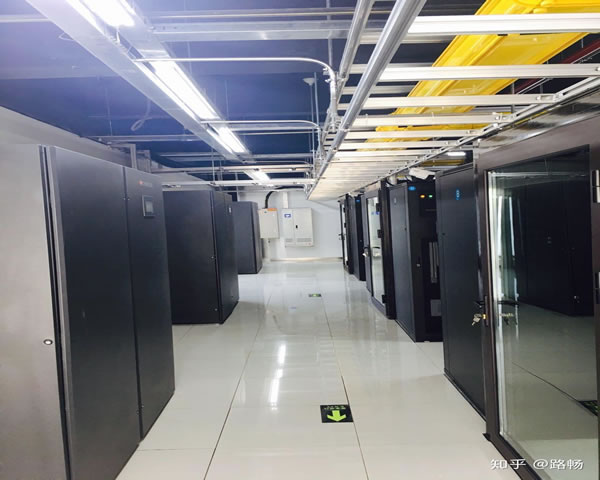
Comprehensive Comparison Of Which Cloud Servers In Malaysia Have Good Performance And Price
this article conducts a comprehensive comparison of cloud servers in malaysia, analyzes performance and price, and recommends suitable cloud server service providers. -
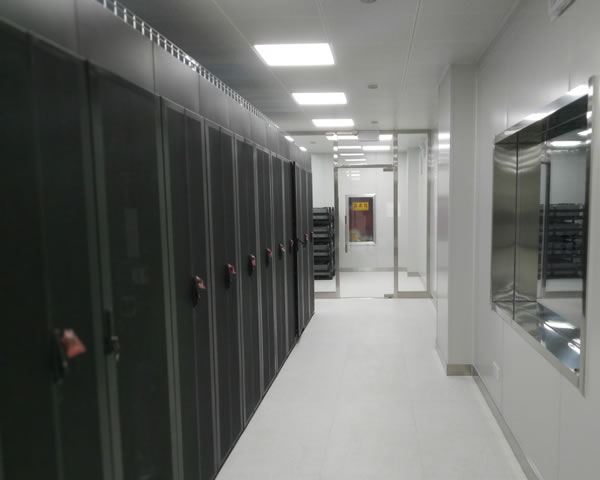
Comprehensive Analysis Of Malaysia Vps Server Room Location And Delay Impact
comprehensive analysis of the impact of malaysian vps computer room location on latency, including measured data, configuration examples, cdn and ddos defense optimization suggestions, to help webmasters and operations and maintenance choose appropriate computer rooms and architecture. -

Tiktok Malaysia Cloud Server Usage Experience And Advantages
this article discusses the experience and advantages of using tiktok cloud servers in malaysia and analyzes its potential benefits for users and enterprises.